
_1.png)
Key Takeaways
- Higher potential rent: Furnishing may support a premium, but purchases, replacement, cleaning and vacancy can offset it.
- Simpler operation: Unfurnished rentals avoid owner-supplied furniture and may better suit conventional long-term leases.
- Demand matters: Compare local evidence for both approaches instead of assuming furnished homes always rent faster.
- Check the details: Lease terms, insurance, inventories and rental regulations can change the decision.
Deciding whether to furnish a rental sounds straightforward until you price the furniture, estimate turnover and look at competing homes. A higher asking rent does not automatically produce higher net income.
At SunWorld Group, we help owners across Southwest Washington evaluate practical rental decisions. Here is how to compare the two approaches without overlooking the work behind each one.
What Defines Each Type of Rental
An unfurnished rental usually provides permanent fixtures and specified appliances, while residents supply their own beds, seating and household items. It is commonly offered under a conventional residential lease.
A furnished rental supplies essentials such as beds, seating and tables. Some also include cookware, linens, internet or utilities, so an itemized description matters.
Furnished does not mean vacation rental. Vancouver's short-term rentals rules address certain stays of fewer than 30 consecutive nights, while longer furnished tenancies may follow different requirements.
The Appeal of Furnishing Your Rental
Convenience may justify a higher asking rent for a home ready to occupy. But that premium depends on comparable listings and evidence of actual demand, not just an attractive interior.
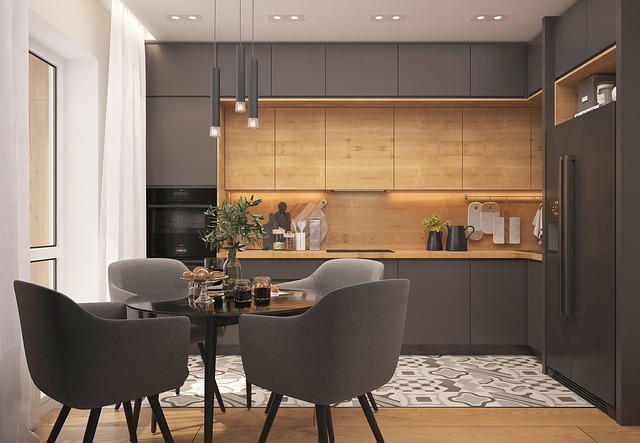
Start with rental pricing for homes with similar size, condition and location. Then compare which services and furnishings are included before treating asking rents as equivalent.
Furnishing can also make sense when a property serves legitimate temporary housing needs. Research local rental activity instead of assuming relocation assignments or seasonal demand will consistently fill the home.
A shorter agreement may offer scheduling flexibility, but it can also introduce more move-ins, inspections and cleaning. The advantage only counts if the added work is financially worthwhile.
Budget for arrival instructions, key exchanges and service coordination, especially when shorter stays produce extra turnovers each year.
The Costs and Risks of Furnishing
Furniture costs do not end after delivery. Build a reserve for damaged items, ordinary wear and eventual replacement. Each turnover may require additional cleaning and an inventory check.
- Initial setup: Beds, seating, kitchen items, delivery and assembly.
- Ongoing upkeep: Cleaning, replacement, supplies and minor repairs.
- Operating costs: Utilities, internet, insurance and possible extra vacancy.
A durable, easy-to-clean setup can reduce repeated shopping. Plan furniture upkeep alongside rental maintenance rather than treating it as an occasional surprise.
Tax treatment also deserves attention. The IRS explains that eligible rental furniture may qualify for depreciation; ask a tax professional which expenses can be deducted and when.

Do not count the furnishing premium as profit before accounting for labor and downtime. An empty furnished unit still carries the original investment plus its normal property expenses.
The Case for Unfurnished Rentals
Residents furnish unfurnished homes themselves. Owners avoid purchasing and replacing sofas, mattresses and other household goods.
There may also be fewer inventory disputes when a tenancy ends. Yet an unfurnished rental still needs a clean, safe interior, working systems and any appliances promised in the lease.
Compare the Numbers Side by Side
Build two estimates for the same property, using realistic comparable rents and the same evaluation period. Include the revenue you expect to collect, not only the advertised rate.
- Income: Expected rent less reasonable vacancy assumptions.
- Setup: Furnishings, delivery and initial preparation.
- Turnover: Cleaning, restocking and leasing work.
- Operations: Utilities, insurance, maintenance and management.
Then test less favorable conditions. If a furnished home sits empty longer or needs an early furniture replacement, does its estimated advantage disappear? A basic self-management comparison can also put a value on your time.
Local Considerations in Vancouver
Vancouver sits across the Columbia River from Portland, but location alone does not prove demand for furnished accommodation. Research comparable properties, likely lease lengths and the costs of serving each arrangement.

Before offering brief stays, confirm property boundaries, zoning, licenses and permit requirements. City rules can differ from requirements elsewhere in Clark County; association restrictions may matter too.
Lease and Insurance Details
A furnished lease should identify included items, utilities, internet, cleaning expectations and responsibility for loss or damage. Photograph every furnished room and retain an agreed inventory.
Washington requires a signed move-in written checklist when a landlord collects a security deposit. The statutory condition record can include furniture and appliances, and ordinary wear cannot be treated as damage.
Ask your insurance agent whether the policy covers the rental arrangement, the owner's contents and any planned changes in tenancy length. Get coverage confirmations in writing.
Working With a Property Manager
A manager may help coordinate marketing, leasing, repairs and resident communication. Furnished properties may need extra inventory checks and turnover services that a standard agreement does not include.
Ask prospective managers what rental types they handle, which services are included and how additional work is billed. Compare the written scope before making a commitment.
Bottom Line
Furnished rentals can earn more under suitable conditions, but they cost more to establish and operate. Unfurnished homes offer a simpler starting point. Judge both against realistic net income and your capacity to manage them.
At SunWorld Group, we can discuss which rental approach fits your property and how management responsibilities would be handled. Start with your own numbers, not a promised return.
Frequently Asked Questions About Furnished and Unfurnished Rentals
Can I Charge More for a Furnished Rental?
Possibly. Furniture and included services may justify a higher asking rent when comparable properties support it. The premium is not guaranteed, and an advertised figure does not show what an owner ultimately collects.
Compare similar furnished and unfurnished homes, accounting for lease terms and included utilities. Then subtract furniture purchases, replacements, cleaning and potential vacancy.
A furnished option that earns slightly more each month may still produce less net income after those costs. Keep your assumptions conservative and review them before buying furniture.
Who Typically Rents Furnished Homes?
Furnished homes can serve renters who want a ready-to-use space, including people relocating or needing temporary accommodation. The actual demand varies with the property, location, price and length of the proposed lease.
Avoid building your advertising around a particular type of resident. Describe the furniture, amenities, terms and location instead, and apply consistent screening standards.
Before investing, examine comparable furnished listings and how they are marketed. Demand for short stays should also be evaluated separately from demand for longer furnished leases.
Is an Unfurnished Rental Easier to Manage?
It may be simpler because the owner does not have a separate furniture inventory to repair, clean or replace. Resident-owned furnishings also remove a category of potential move-out disagreements.
However, the landlord remains responsible for applicable property maintenance and lease obligations. Cleaning, inspections, advertising and resident communication still require time.
An unfurnished property is not automatically easier to lease or more profitable. Compare the work you will actually perform under each arrangement, including any services a manager would handle.
What Should a Furnished Lease Include?
The agreement should clearly identify what the tenant receives, including furniture, appliances and any included utilities or services. Attach a dated inventory with photographs and explain how damaged or missing items will be addressed under applicable law.
Be specific about cleaning arrangements, permitted use, access and responsibility for ordinary maintenance.
Washington deposit documentation rules may also apply. Avoid relying on a generic short-term contract for a longer residential tenancy; ask a qualified attorney to review the terms appropriate to your property.
Are Furnished and Short-Term Rentals Regulated Differently?
The presence of furniture alone does not determine whether a tenancy is short-term. Rental length, intended use and local law can affect permits, licensing and the agreement that applies.
In Vancouver, certain stays shorter than 30 nights fall under the city's short-term rental rules.
A longer furnished tenancy may instead operate under ordinary residential rental requirements. Verify the property's exact jurisdiction and review state and local rules before listing.
Insurance, association restrictions and tax treatment also deserve separate attention, ideally with qualified professional guidance.